
Child Support Lawyer
Monmouth County Child Support Lawyer
Child support is a legal obligation that ensures children continue to receive financial support from both parents after a separation or divorce. In New Jersey, child support is governed by a combination of court rules, statutory guidelines, and judicial discretion, all designed to prioritize the best interests of the child.
Whether you are the parent seeking support or the one being asked to pay, it’s important to understand how child support is calculated, enforced, and modified in New Jersey.
At the Law Offices of Laura M. D’Orsi, LLC, we help parents navigate the child support process with clarity, confidence, and compassionate legal guidance.

Who Pays Child Support?
In New Jersey, child support is not based on who initiated the divorce or who was at fault in the relationship. Either parent, custodial or noncustodial, can be required to pay child support, depending on the custody arrangement, income levels, and financial needs of the child.
How Is Child Support Calculated?
New Jersey uses a standardized formula known as the Child Support Guidelines to calculate the appropriate level of support. These guidelines aim to estimate what parents would have spent on their children had the family remained intact. The calculation considers factors such as:
- Each parent’s income
- Number of children
- Amount of parenting time (overnights) each parent has
- Costs of child care and health insurance
- Special needs or extraordinary expenses related to the child
- Other relevant financial obligations
While the court generally follows the Guidelines, deviations can be made if both parents agree on a different arrangement or if unique circumstances warrant an adjustment.
We help you understand how the guidelines apply to your situation and explore whether an alternative agreement may be appropriate.
How Are Child Support Payments Made?
In most cases, New Jersey law allows that child support be collected through income withholding. This means that payments are automatically deducted from the paying parent’s wages and sent directly to the New Jersey Child Support Program, which then disburses the funds to the custodial parent.
Income withholding can also apply to:
- Unemployment benefits
- Disability payments
- Workers’ compensation
- Social Security benefits
While income withholding is the standard method, a judge may approve a different payment arrangement if there’s a valid reason. Additionally, sometimes the parties are able to agree to a direct payment of child support, without paying through income withholding. We’ll work with you to ensure your child support order is set up in a way that’s both compliant and manageable.
When Will Payments Begin?
Once a child support order is entered, payments typically begin within two weeks, assuming the paying parent complies. Establishing an order usually takes less than 90 days, though it may take longer if additional steps are required, such as establishing paternity.
If you’re waiting on payments or need help initiating a support order, contact us today for guidance on how to move the process forward efficiently.
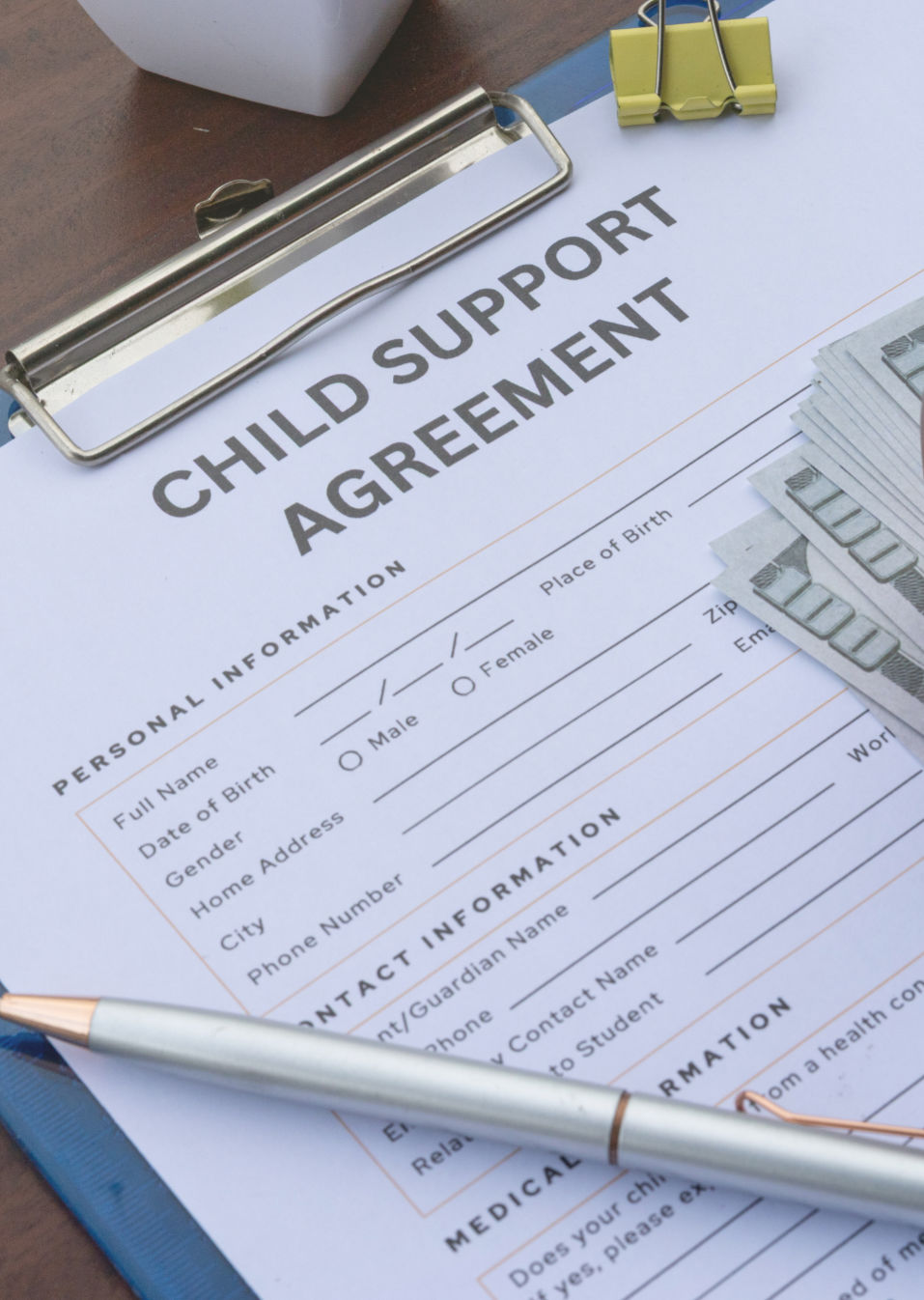
Can Child Support Be Modified?
Yes. Child support orders are not set in stone. If your financial situation has changed significantly, such as a job loss, change in income, medical issues, or a shift in parenting time, you may be eligible for a modification.
To request a change, you must file a formal application with the court and demonstrate that a substantial change in circumstances has occurred. Additionally, most child support orders are subject to Cost of Living Adjustments (COLA), which allow the amount to increase automatically every two years based on inflation without the need for a court hearing.
If you believe your current order no longer reflects your reality, reach out to our office to discuss whether a modification may be appropriate.
What If Child Support Isn’t Being Paid?
Failure to pay child support is taken seriously in New Jersey. If a parent falls behind or stops making payments altogether, the Probation Division and Child Support Enforcement Unit may take one or more enforcement actions, including:
- Garnishing wages
- Intercepting tax refunds
- Placing liens on bank accounts or property
- Suspending driver’s licenses or passports
- Initiating court enforcement proceedings
If you are owed support or are struggling with enforcement, we can help you pursue the appropriate legal remedies.
When Does Child Support End?
New Jersey does not automatically terminate child support when a child turns 18. Instead, child support may continue until the child is deemed emancipated, meaning they are no longer financially dependent on their parents. This may occur if the child:
- Graduates high school and is not attending college
- Becomes employed full-time and self-supporting
- Marries or joins the military
However, in many cases, support continues through college or higher education, especially if the child is still living at home and dependent on parental support.
To terminate or modify support when your child reaches adulthood, you must file a petition with the court. Don’t assume support stops automatically, talk to an experienced attorney to ensure your rights and obligations are clearly defined.

Speak with an Experienced New Jersey Child Support Attorney
Whether you are seeking to establish, enforce, or modify a child support order, the process can be complex and emotionally charged. At the Law Offices of Laura M. D’Orsi, we are committed to helping you achieve fair and practical outcomes for your family.
Contact us today to schedule a consultation and learn more about how we can support you through every phase of the child support process.